My sisters, my nephew, and I—we sat around him, holding onto each other and holding onto him. I know he knew we were there because he refused to die until his three girls and one grandson were present. We all told him our secret goodbyes alone, and the Hospice center sent in someone to pray.
Then peacefully, with all of us there, he took his last breath and left us. I miss him every day.
Yeah. I’m reminded of the PBR-drinking American Spirit-smoking hipsters back at my old LA haunts when I say, “It’s a Buick Regal TourX; you probably haven’t seen one.”
But really, that’s the consensus. “What the hell is it?” “Is it a Volvo?” “Is it an Acura?”
Technically, it’s kind of an Opel, but that doesn’t help much. In full form, it’s a Buick Regal TourX AWD Essence. That’s a mouthful, and she’s kind of the forgotten Gen-Xer of the AWD Sport Wagon segment, so I’m calling her the Latchkey Kid. And I LOVE HER.
The Buick Regal TourX was the first wagon for Buick after retiring the iconic Roadmaster in 1996. Hopefully, you know how much I love Roadmasters at this point. I was skeptical but intrigued when I saw this new foray into wagon-ism at the Autoshow in 2018. I’ve always loved classic Buicks, but would I really find myself in a modern Buick? No, right?
So What’s a Buick Regal TourX, and…WHY?
I decided to sell the Raptor, closed my eyes, and pressed the buttons. It became a “now what” scenario really quickly, and I only knew a few things. I needed a payment that was way—like wayyyyy—less, I live in a four seasons state, and the snow here can get brutal; I don’t like sedans, I don’t like SUVs, and I don’t like typical.
Oh, and we have FIVE DOGS. It became clear that my future vehicle would probably be a sizeable wagon or hatchback. Also, I’m a tinkerer gearhead that can’t leave shit alone. I might as well own that fact. At this point in the discussion, in the craft, there is almost always an argument about Subaru, BMW, Audi, and Volvo. Hardly anyone mentions the humble 3-year run of the Buick Regal TourX.
I don’t know why. It’s incredibly well equipped—the Lexus vehicles I used to sell were equipped like this, and they were…ahem…pricier. My TourX has leather, adaptive cruise, lane keep, pano sunroof, etc. The little turbo 2.0L isn’t overwhelming, but it does its job, and the AWD is capable. She also swallows an impressive nearly 75 cubic feet of cargo space. That’s a lot of groceries. Or…dogs.
While I don’t foresee any LS swaps in the future with the Latchkey Kid, I have already accumulated a list that includes the Trifecta Tune, HR Springs, Rotiform LAS-R wheels, and window tint. It’s little stuff, but it makes her mine. She’s rare. She’s a conversation piece. She’s kind of weird, and I like weird.
Everyone liked the Raptor. There was not much “me” in that truck; it was neither contentious nor challenging. Everything was easy for CleverGirl. The Nova—that vehicle divided people. It created discussions and debates. I loved that; I used the Nova to meet people and network, and honestly, 80% of the roles and relationships I forged in Hollywood were because of that silly, divisive rust bucket. The TourX reminds me of her. People ask what it is and judge. They either like it immensely or roll their eyes.
What this car actually does is serves up the financial freedom to foster a child. Or travel. Or frees up the finances to pay down more debt. Or allows me to put money into the original Buick—Roadmistress. After all, she is a first cousin, and shouldn’t she help finance the resurrection of her elder?
In any case, she’s a vehicle (no pun intended) to new adventures.
Hurricane Ivan stripped my mother of her home, car, and job in one fell swoop. For someone already struggling with mental health, this experience broke her. Mom sheltered in her apartment, trapped by a huge old-growth Oak Tree that fell through her roof. It took two days for help to come.
Ivan ransacked Pensacola. Bridges were destroyed, roads were flooded, and homes and businesses stood gutted. People from outside of the Gulf Coast asked that same old question: “Why didn’t people evacuate?”
I can’t speak for everyone who stayed, but I can speak for my mother and those like her. She took care of an elderly patient on oxygen who was bedridden. Moving Margie, her patient, was impossible. At the same time, Mom’s car was less than road-trip worthy, and her bank account couldn’t withstand the gas and lodging it would have taken to leave. All the things added up to sheltering in place.
Other people stayed for similar reasons. Disabilities. Poverty. Lack of transportation. Stubbornness. A pack of farm animals that would have made it next to impossible to leave. People build significant lives in one place, and leaving in the chance that a hurricane hits their home seems like a gamble; sometimes, that doesn’t make sense. There’s also the economic side- entire cities don’t shut down because a storm may hit. Companies don’t shut down. Emergency operations still run, and the businesses that serve those operations are still available. Some may be surprised to hear that a gas station has to stay open to fuel vehicles, and the people behind the register there cannot evacuate. People HAVE to stay. The state cannot shut down.
In any case, many people remained, and the trauma that they endured was no joke.
I relay this story because Hurricane Ian just barreled through my serene second hometown, Englewood, FL. I have family and dear friends there who withstood similar trauma as my mother in Ivan. The town endured mass destruction—when I look at pictures and video, my heart sinks. I realize I haven’t posted quite yet, even though I have started this piece about a hundred times.
Southwest Florida is indescribably special. We grew up swimming in crystal clear Gulf water. We learned about manatees and alligators up close and personal. Cougars visited us from rescues at our school assemblies, and we took field trips to Thomas Edison and Henry Ford’s Winter Estates in Ft. Myers, which is now temporarily closed because of the hurricane. We didn’t have metal detectors at our school, and there wasn’t much to do other than go to the beach and hang out with our friends—at the beach.
Englewood was always and will always be the picture-perfect beach for me. It was the first beach I ever visited and remains the bar against which every beach is measured, and suffers. We ran to Englewood after moments for which I have no words, and it was our solace. We attended Sunrise Service on Englewood Beach Service to affirm our Faith.
I am in Cincinnati and watching as my friends and family rebuild. I hope they address their trauma with as much care and urgency as they are the treasures of our beautiful SW FL towns and beaches. Speaking from experience, they can break a person.
If you’d like to help give, please visit this link.
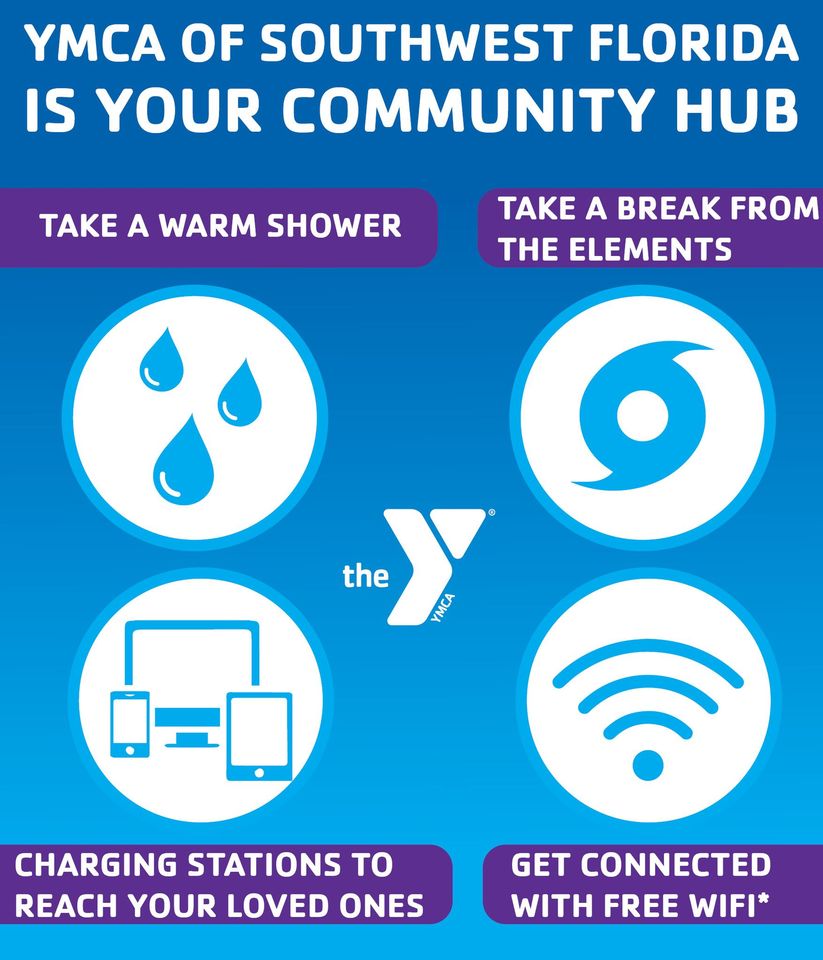
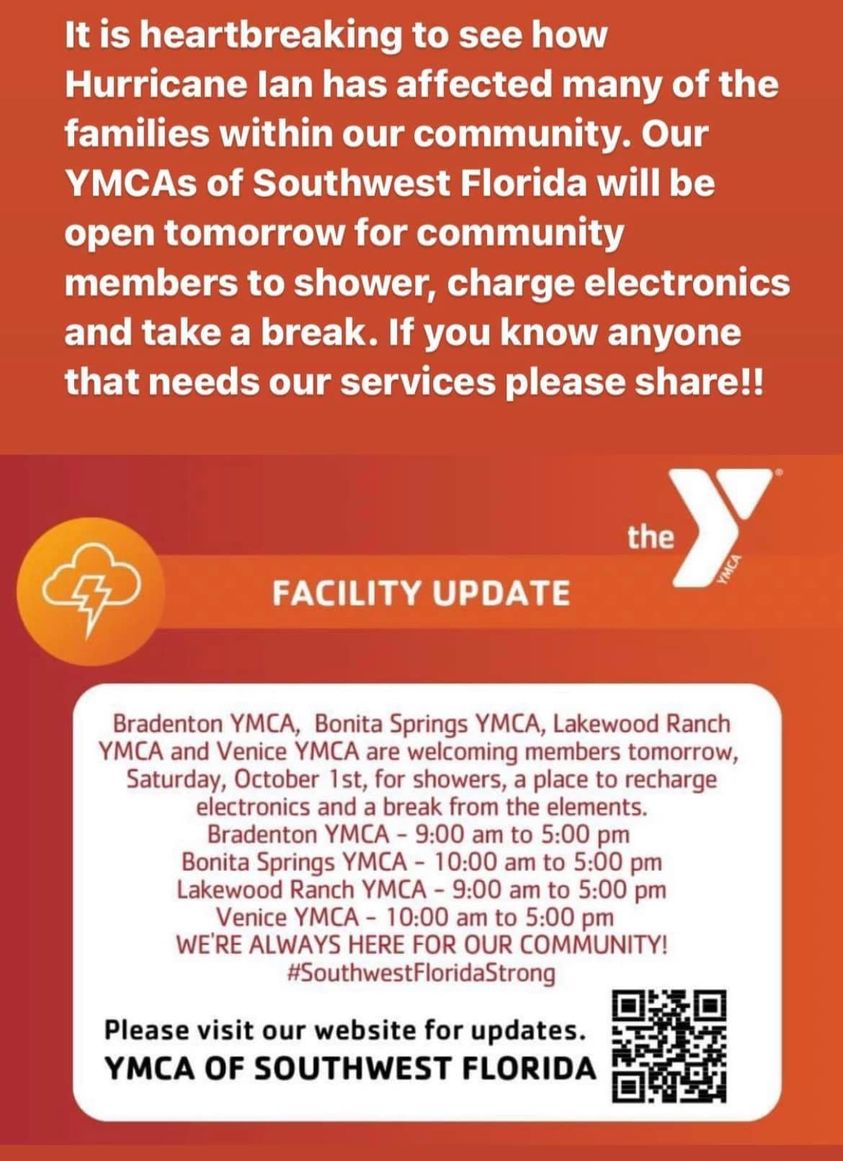
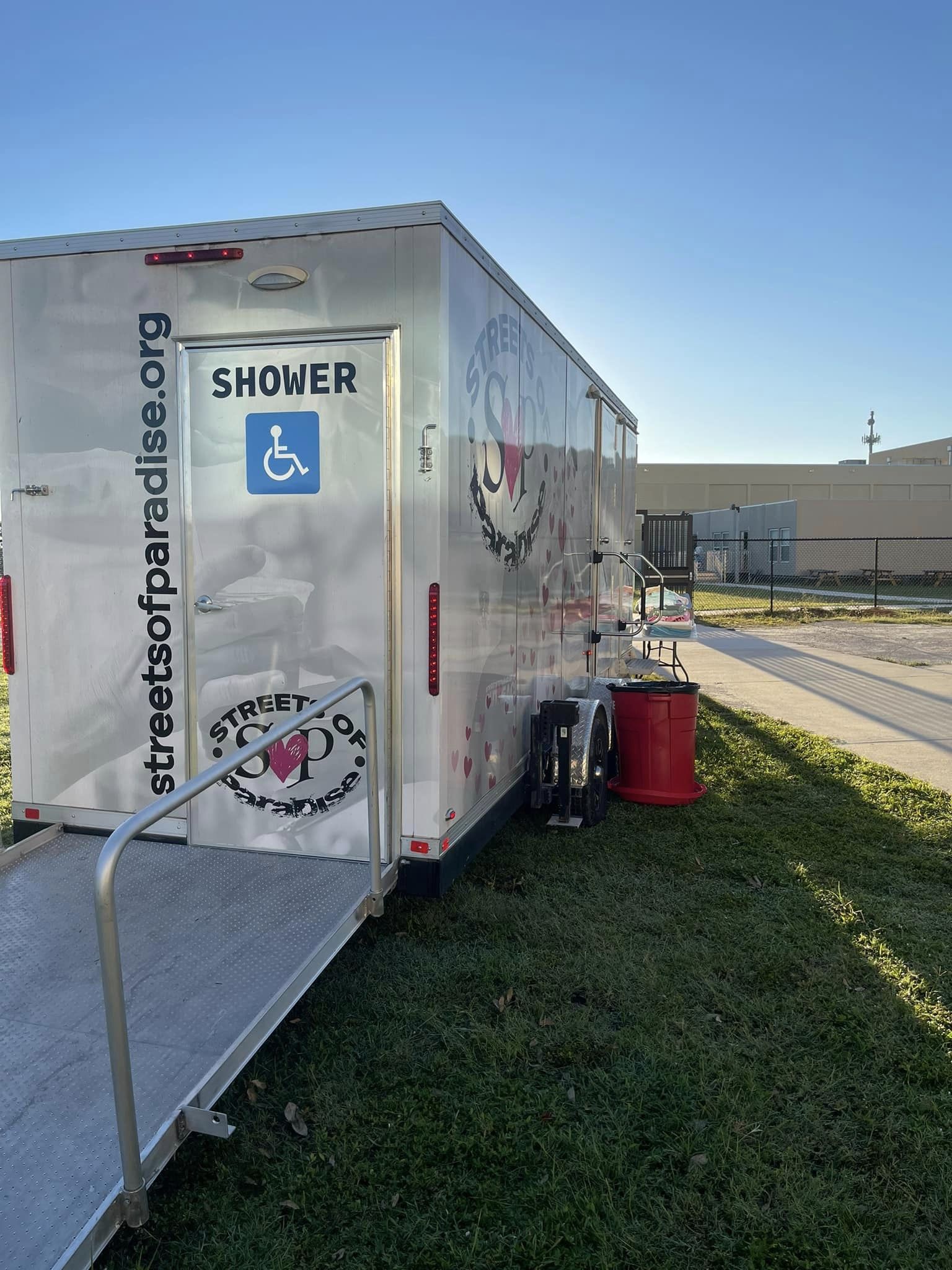
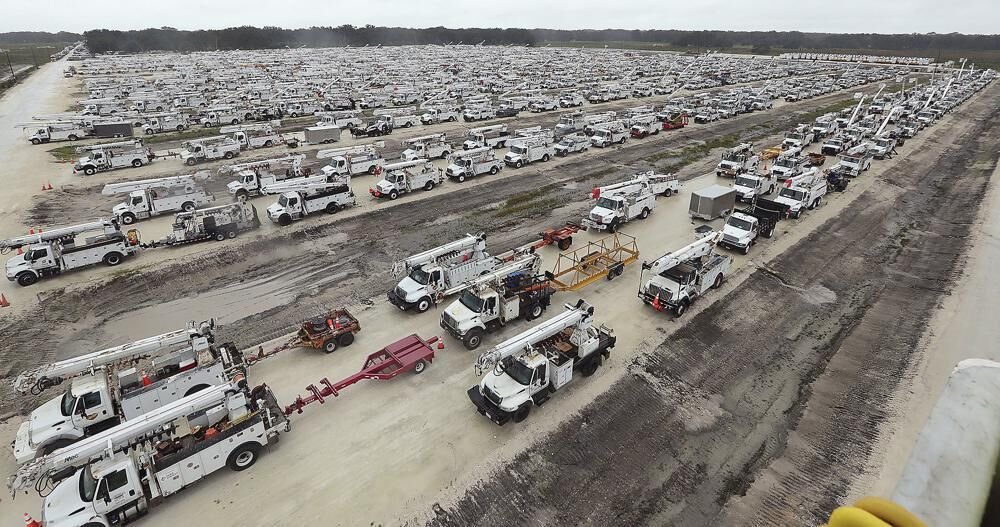
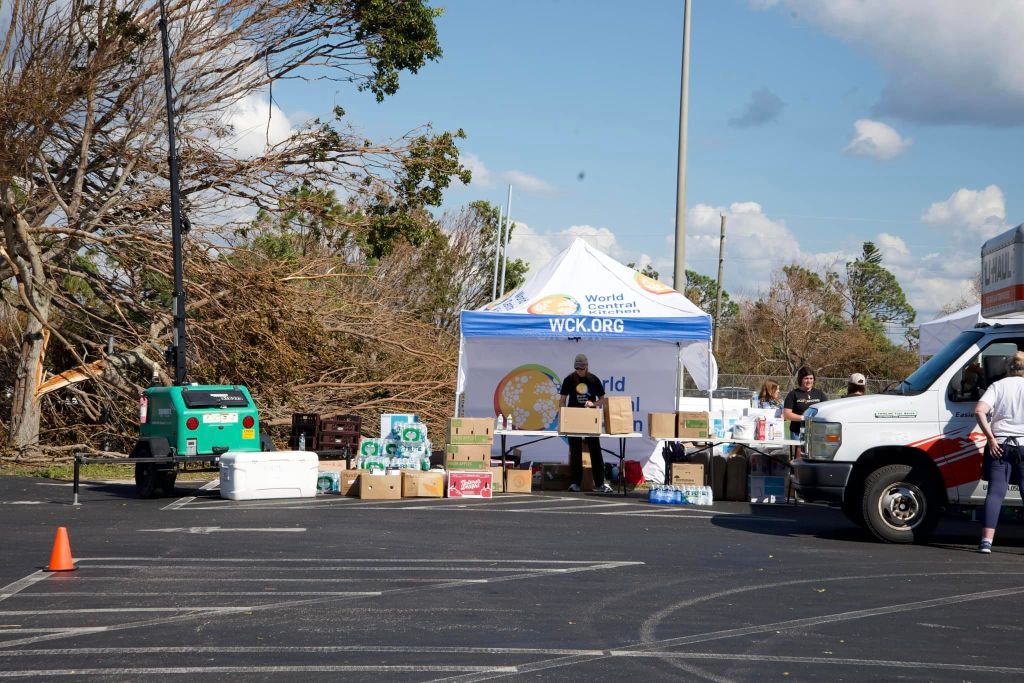
The collective consciousness of a disaster-stricken community is what pulls them back up, and I am not skeptical about the Gulf Coast. Instead of posting devastation pictures, which we have ALL seen, here are some beautiful images of resources, working together, and help.
Excuses are easy to come by; temptation to break the No Purchase Year is running rampant.
It’s Fall; it’s getting cold. I could use some fall clothes.
Ummm, these wrinkles around my eyes need to go. Botox would do it.
Halloween is coming, and I would love some new fun Halloween and fall decor.And dog costumes!
I could go through more, but they all sound the same in the end. “I should forgive myself for breaking the No Purchase Year because….”
Because Fall, because Halloween, because aging. I’m happy to report that these all ended with reminding myself what I’m doing and why, but the temptation is real.
It also ended because I took each temptation and ran it through my mental scanner. Fall clothes—I do NOT need these. When I decluttered and organized my closet, I came up with four similar tan sweaters, two similar brown cardigans, and eleven pairs of boots suitable for Fall and winter. Listening to myself describe the number of things I have was enough to dissuade the suggestion of purchasing any fall and winter clothes.
Arguing against Botox is hard on my pride, vanity and insecurities. I have all of those things at once. The only way I got past this was to remind myself of the associated cost and the feeling of thirty little needle pricks in my skin. Pay for pain.
Halloween is tougher. It was my favorite holiday until my father died on October 31, 2021. Distracting myself with skeletons, witches, and candy sounds like a fantastic idea to keep me swimming around this time. When I tossed this one into the hopper and mulled it over, it was harder to talk myself down. I still cry nearly daily (alone, in my truck) about my father’s death; I cannot imagine the reaction and pain on the actual anniversary. Maybe a distraction, some joy, humor, and horror would be just the ticket not to cry myself into a swamp of blankets and running mascara.
Historically, that’s what I’d do. It’s what I’ve always done when things are too difficult, but it’s not the right thing to do. On August 5, I clocked into work, told everyone I was “fine,” and went about my day. I probably ordered 15 things from Amazon that day, too. But then I got a migraine, and I got sick on top of that, and I told myself it had NOTHING to do with the emotions boiling under the surface that I would not and could not discuss. August 5 is the day my mother died, and I was not there, and I am not okay with anything around this event.
I haven’t processed my mother’s death fully. It’s a challenging calling; growing up, we never had the chance to be honest about our feelings or feel deeply traumatized and cry. I’ve used the “push it down, jar it up, explode later” method since I was little. Even trying to write about what happened turns me into knots, and I have yet to confront, acknowledge or allow myself to mourn these things.
While Forgetting is sometimes a good thing, avoiding is not.
So on October 31, I tell myself I am going to mourn. I am going to feel it even if I’m in public. Even if mourning means I pull the blanket over me, snuggle with dogs, and do NOTHING productive at all. This is what I’ve told myself to keep from launching into a Halloween shopping spree and filling this void with things.
Ah—there’s the rub. I’ve always filled the void with temporary, material things to take the edge off. I didn’t become an alcoholic or a substance addict, but I did become an emotional shopaholic. The Year of Less isn’t just resistance to my financial waste or of the American tendency to hoard and live in excess.
It’s about taking away that crutch and living with myself. Bare, unfettered, without the camouflage of new things.
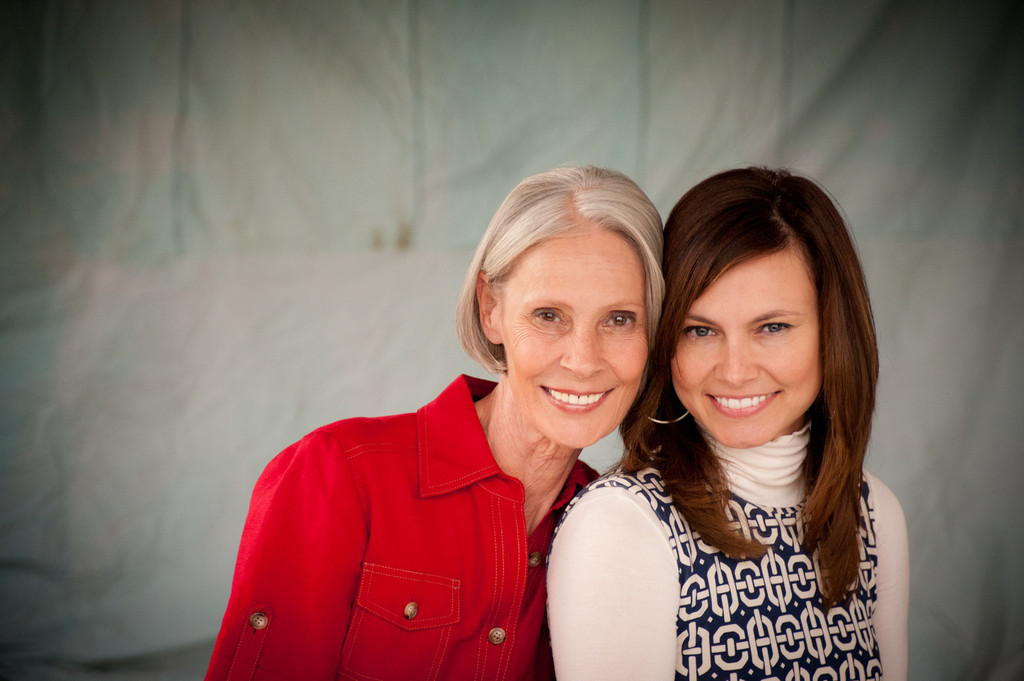
“Why the hell not” turned into a series of brief interviews, during which we talked about everything that happened during these last two years. The good folks from Harley asked mom about the experience with cancer, and right away, I think they knew that we weren’t going to be average.
Mom talked about the diagnosis very quickly and the treatment even hastier. She spoke of not wanting to join a support group because, in general, it was a bunch of sick people talking about being sick.
Instead, she wanted to get through it fast and be surrounded by healthy people that reminded her of the future, not the present. The Harley folks were smiling. We talked about how far we were willing to go, even thinking about running to Mexico for coffee enemas and juice therapy. They laughed; they loved that we were laughing together.
They asked me why I started riding, and I wasn’t lying when I pointed at mom and said, “because of this, because of cancer.” I know that was the answer they expected, but as I explained, I hope they knew it was genuine. I had been enamored but highly fearful of motorcycles. Involving myself in the car industry meant I got plenty of adrenaline, but bikes—nope. It wasn’t until mom’s diagnosis that I looked at my list in an old journal titled “things I want to do, but probably won’t, because they’re scary.” So many of them had been checked off, surprising things I couldn’t believe I was actually afraid of, but there were a few that remained. “Ride a motorcycle, ” and a few odd ones here and there about love and my intense fear of commitment. I decided to tackle the motorcycles.
They asked my mom what bikes she liked, and she smirked and remembered the bikes I’d been showing her, rattling off. “Fatboy, Softtail.” Wow. No wonder we were cast.
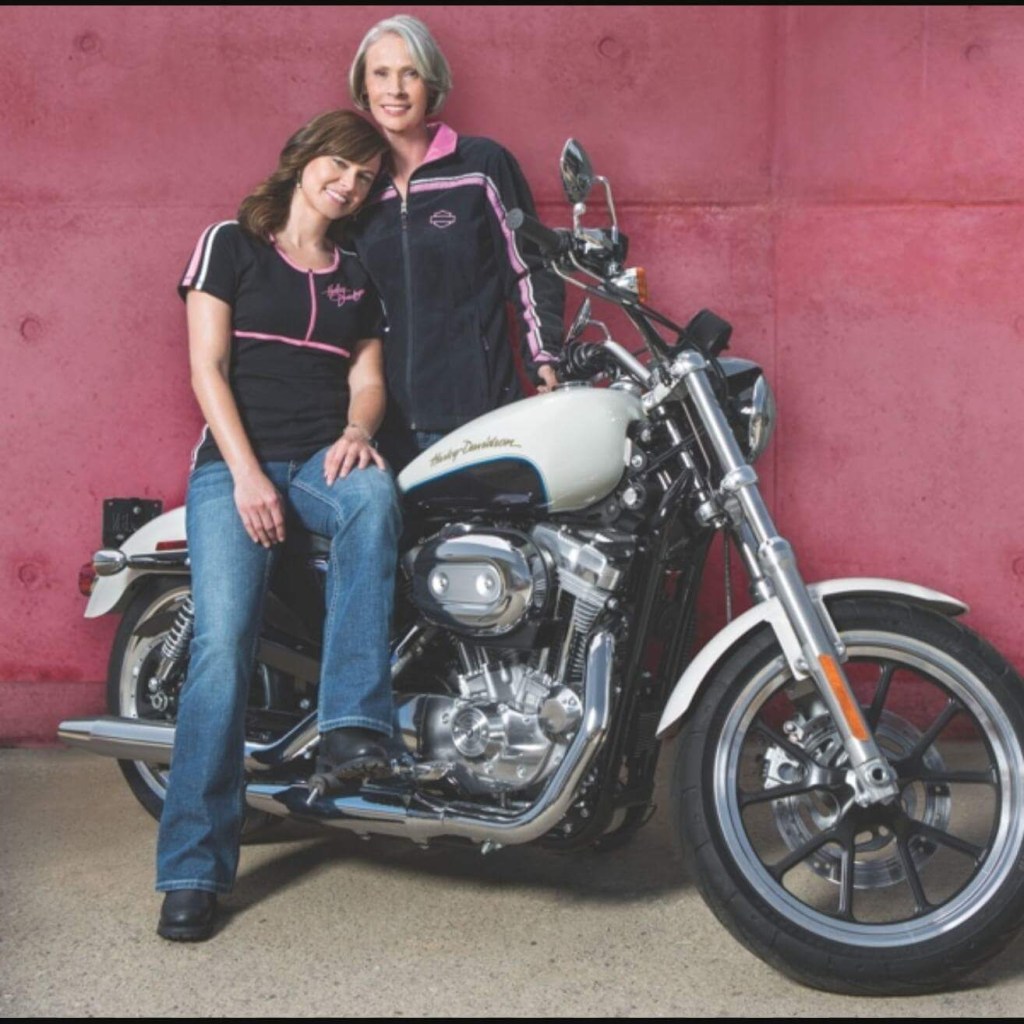
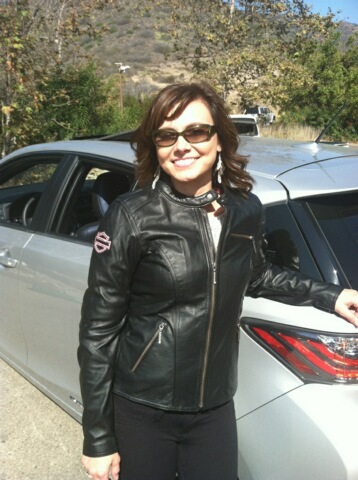
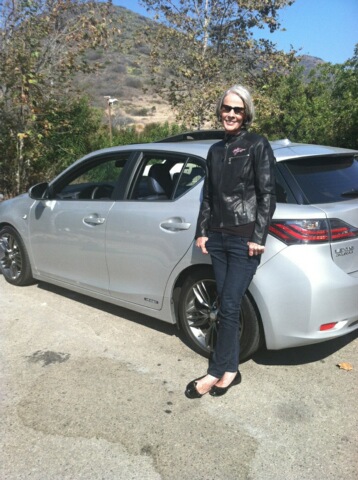
On Wednesday, we went to Leo Carillo Beach and met the crew of the print ads. They fed us a fantastic breakfast, put us through hair and makeup, put us on a Sportster and shot pictures for about an hour, fed us lunch, and called, “that’s a wrap.” Before we left, the rep from Harley hugged my mother and me and gave us Pink Label riding jackets.
Harley Davidson treated my mother like a superstar.
I have always admired the brand, loved the rumble of a Harley V-Twin, always secretly wished I was a little bigger so I could ride the bigger bikes, and now…I fully respect them more than I could ever put to words appropriately. The people in their ads were real riders, not just pretty (although Holy Christ, they were pretty, too!!). The causes they support aren’t just on paper. Their brand ethos isn’t just marketing.
As for the word ‘cancer’ in our house—it’s not a death sentence, it’s not something we talk about often, and it’s not something we dwell on anymore. As Breast Cancer Awareness month rolls out and everyone sells something pink, we haven’t ever participated. It’s been very under the radar. Now we’re about to be on posters and online and wherever else, the faces of people affected directly by cancer, the faces of a brand all about “pink.” And both of us will now make the exception to wear the color, so long as it’s on our Harley Davidson jackets.
Pink—it’s become the color chosen to represent a fight with or surviving breast cancer. It’s also been a color that I always found dreadful for the girliness attached to it and simply because I hated it. As a symbol, I hated it also because it reminded me of the very, very vicious disease that has, for decades, been picking my family off one by one. Not just breast cancer, of course; I have a virtual medical degree just keeping up with the diseases from which my relatives have died. But breast cancer, indeed, was among them.
It’s a fact of life, partially from having a huge family.
It hit home when my mother called me on my way home from work over a year ago and told me, with weakness shaking a voice otherwise powerful and opinionated, that she was diagnosed with breast cancer herself. In the months that followed, I jumped a plane countless times on the trek from LAX to CVG Cincinnati, read numerous books about cancer on the journeys to and from, and spent days and nights with my mom as she was operated on, bits of her removed, stuck with needles, chemotherapied, and on and on all countlessly. Medical—very medical. Very clinical. The smell of antiseptic sends me back sometimes to swabbing her sutures, to watching bags of blackness slowly drip into a port in my mother’s chest, to waiting awkwardly in a room with other cancer patients who didn’t speak to each other for fear of not seeing them again next week and knowing why.
If I were an only child, it probably would have broken me. But I am not an only child, and my brother and I switching on and off with my mom meant we both got to spend time with her; we got a break from the medications, hospitals, and heartache.
My mom, of course, never got a break. She lost her hair, her eyebrows, and eyelashes. One never fully appreciates those things until the sweat beads from a torturous Ohio summer stream into your unprotected eyes or until the snowy winter months leave your home encased in a snowdrift, the heater barely warming your sensitive, bald head. All of this, I observed as a spectator. My mother…well, she had to survive it.
And she did, and she’s here, and we don’t talk about it a lot because we all agreed to get on with life and leave the past to the immense universal shredder. And we don’t wear pink.
Just this once, though, I decided to go backward for a minute and asked my mother’s permission. Harley Davidson, which grew on me through the years as a popular brand and company and a helluva motorcycle, needed real riders and cancer survivors to be poster girls for their Pink Line. They donate to cancer research through the proceeds of this line, and their donations may well have touched my mom’s life and my life without us even knowing it at the time. In any case, I thought, “why the hell not??”
Did I tell you about the last two years of my life?
Mr. Manne died. I moved to Ohio. My mother died. My father died. I married the love of my life, with whom I had only spent four weekends since 2005.
So it goes, right? That’s how everyone rolls through life, right? Life seems uncertain, and then BOOM—you hit forty and do everything all at once, No? Just me? Okay.
Just after the wedding, I started this experiment of purchasing nothing. I decluttered (and am still decluttering), reviewed my finances, and realized that, oh CRAP—it’s a mess. It’s always been a mess.
I looked at everything except vehicles; my vice and passion were left off the table for scrutiny. I had trimmed the excess fat off every other expense and bad habit. I’ve even cut out 90% of my eating-out and take-out coffee. It’s not perfect, but I sincerely thought I’d do worse with this.
Then came the honesty—I’ve always spent too much on my cars. I’ve typically had more than two cars for my entire adulthood; usually a classic (or 2 or 3) and my daily driver. All of these cars would be purchased, registered, and insured and start the lengthy, neverending, expensive process of modification. What can I say? I am, always have been, and always will be a gearhead.
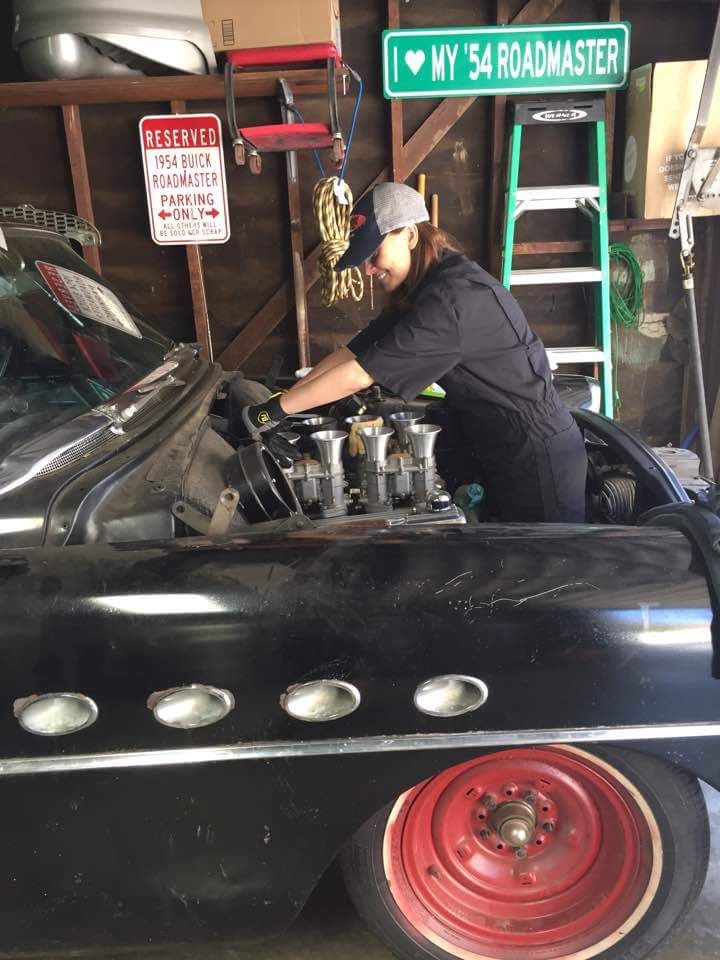
I remember when I found my Roadmaster in a field in Pensacola during my Freshman year of college. She practically mesmerized me, and I thought about her nonstop until she was mine. At that point, I had the Nova, a little 5sp V6 Ranger, and then added the Buick into the stable. I was the only college Freshman I knew that had multiple cars.
It wasn’t like I easily had the money to do this. College was spent living with family, forgoing parties, bringing my lunches with me, and living like a miser in every other way. Then at night, I’d plug in the work light and tinker under the hood until my body ached with fatigue. Everyone else was partying, networking, drinking, and creating social bonds. In hindsight, I can’t say this was the best way to spend my college career, but it kept me out of trouble.
So now I look at these expenses, and the blaring cost is my Raptor. These days I only have 2 vehicles: the Raptor and the Roadmaster. I reluctantly put the Roadmaster up for sale. She’s a challenging sale to anybody but the most fearless of us petrol-headed type people. While the big stuff like engine, transmission, brakes, and suspension are present and accounted for, countless things need to be finished, installed, and buttoned up. If she weren’t mine, I would read that ad and think, “Yikes, too much work.”
I did this.
My Raptor, though…
I decided to trade her in on something cheaper, reducing payments and overall cost-to-own. Cost-to-own is one of those sneaky topics that is easy to overlook. For me.
I test-drove. I tried. Folks—I’m skeptical that this part of me could ever…EVER…be subdued. The minute I started driving these potential replacement vehicles, I was picturing the mods. A tune, no doubt. Maybe lowering. A wrap? Yeah—I didn’t really like the color. Turning that part of myself off seems like an impossible task.
So, I have backtracked on this part of my expenses experiment. These last two years have been chaotic, and feeling like one thing is staying the same brings comfort. Sometimes that alone is worth hanging onto, even if the actual cost is monetarily higher. This has been the one constant in my life since I was three years old, and I’m okay to pay extra for this one thing.
I guess my silly ass will just accept the expense.
I know I must answer for wasteful buying practices, blind purchasing, and emotional shopping. And a dining out proclivity. And relying on to-go coffee. Subscriptions. Ugh, the list goes on.
I have planned and listed plenty of things for this year of adaptation.
The one thing that was suspiciously left off these lists were my most significant expenses: mortgage, which I can’t change at this point, and I feel like my rate and payment are fine, and vehicle.
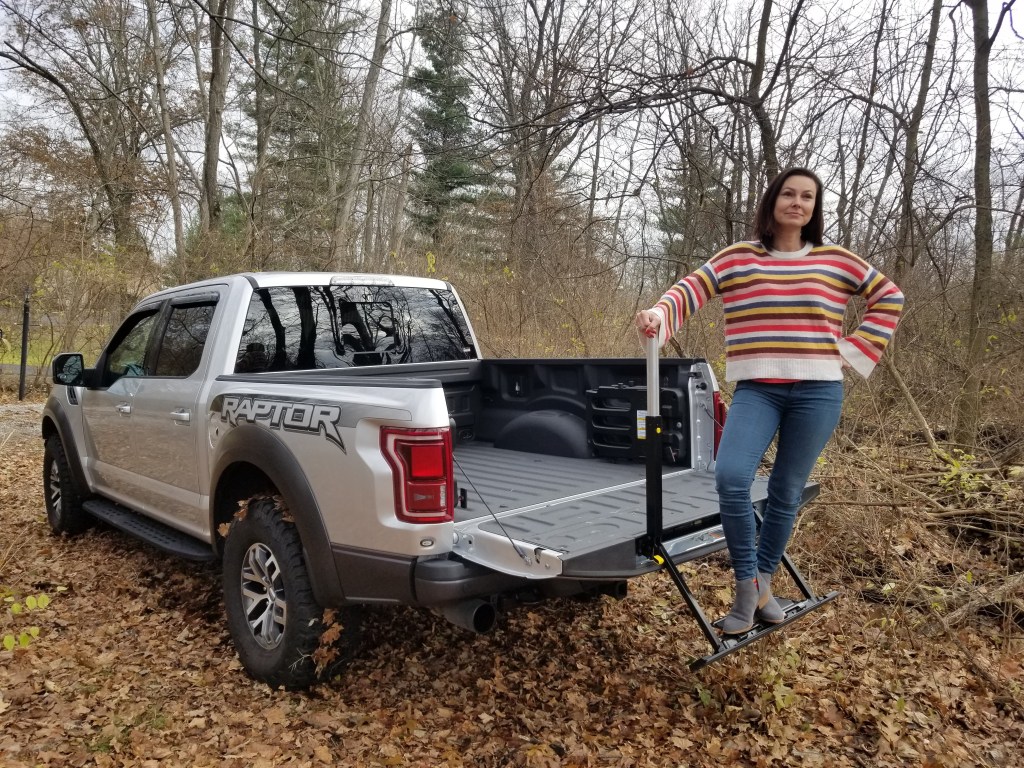
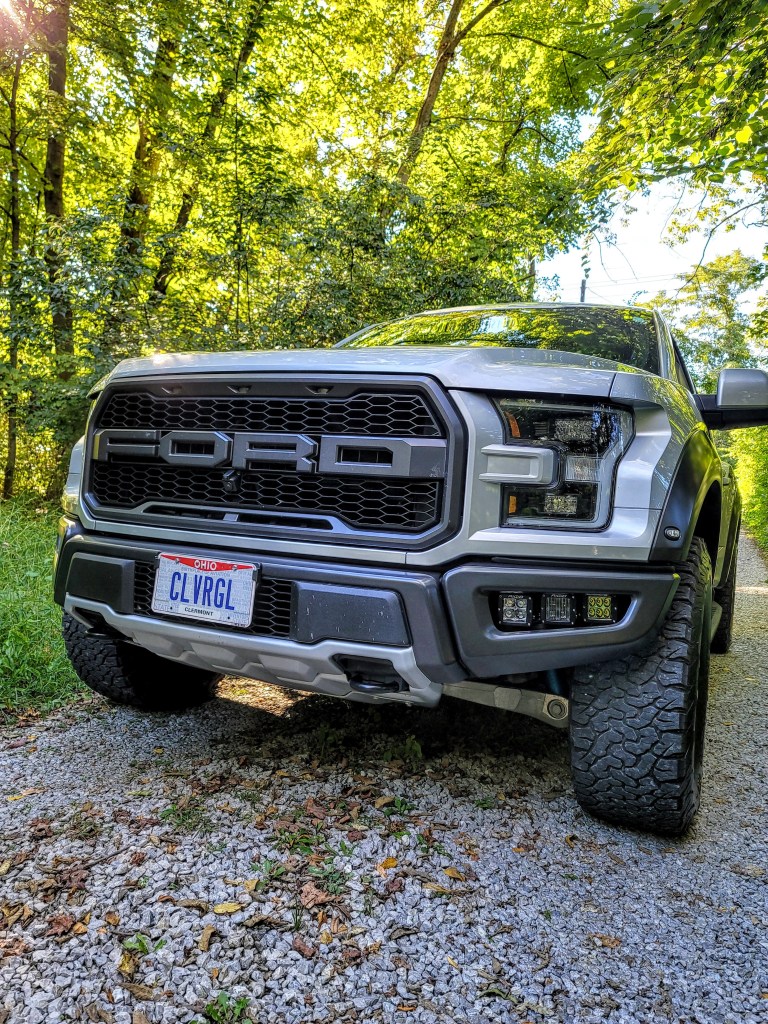
I drive a Ford Raptor. I LOVE this truck. It has saved my ass several times by practically driving itself with Advanced Cruise Control and Lane Centering when I’ve been sick and had to get myself to work or the doctor. She has been a champ during the Ohio winter months through sleet, snow, and ice. On a treacherous night in my previous position as a Field Rep, the biggest blizzard I had ever seen seemed to bear down on me in particular. My windshield wipers were so frozen they would barely move, and I was in the outer stretches of Ohio by West Virginia in the Appalachian Mountains. My CleverGirl triumphed through it all, and I was high and dry inside. It felt like she did that alone, and I was merely a passenger enjoying her bulk, strength, and capability.
If that sounds dramatically attached to a vehicle, you should know it’s just the tip of the iceberg. I have a relationship with every car I’ve ever had. My 1954 Buick Roadmaster sits in the garage unfinished, but I say “Hello Mattie” every time I see her. I have put blood, sweat, and tears into that machine to get her this far, and I would do it all again.
Automobiles aren’t A to B tools for me. Cars are the one place where Art, Physics, Design, and History meet a usable, tangible thing. The car has been alongside epic moments, moving our society forward. Think of JFK for just a few seconds and tell me—tell me that you don’t see his Lincoln Convertible attached. I can tell you many more examples, but know that for me- I cannot untwine the vehicle, history, art, and culture.
All this is to say, I’ve justified CRAZY high car payments because my vehicle is much more than a vehicle. A look back at my automotive past shines a light on the willingness to accept that a sizeable chunk of my income would be spent on vehicle-related items.
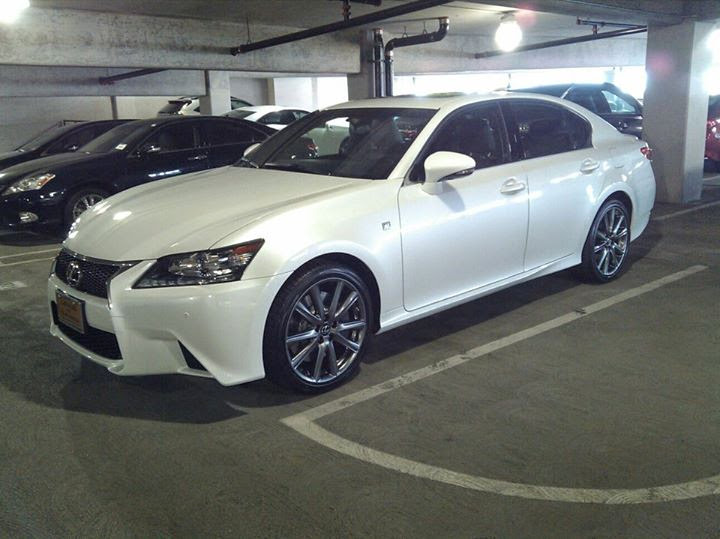
GS300
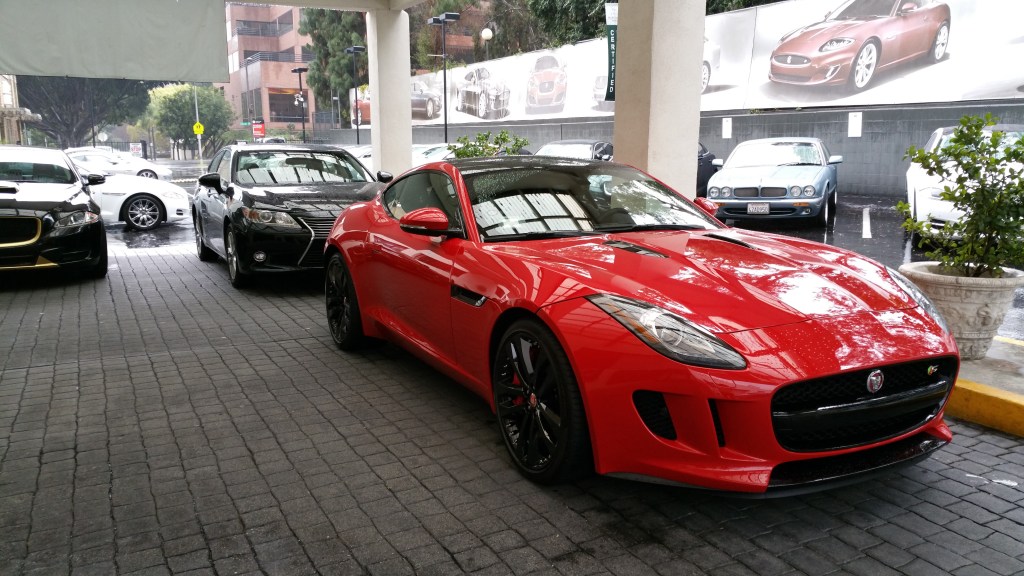
Lexus into an F-Type
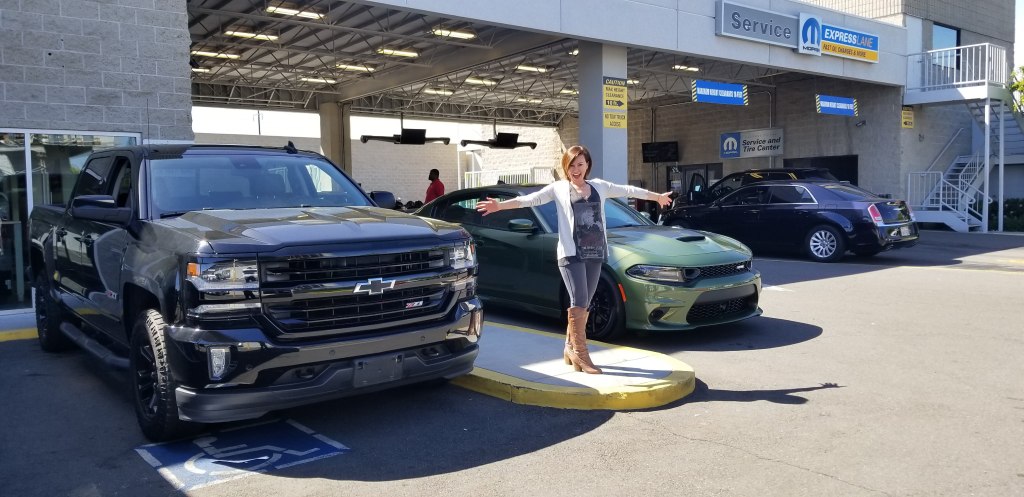
Silverado 6.2L 4×4 into Charger Daytona Scat Pack
From custom Mustangs to an F-Type to a loaded Charger Daytona Scat Pack and more—my vehicle purchases have been mainly for enjoyment.
And that brings us to now, with me listing my expenses meticulously and planning ways to do better. I have dissected everything in my life…except my costs regarding automotive. I LOVE my truck, but the truth about this Raptor is that it’s expensive. My monthly payment is crazy, insurance isn’t terrible but could be better, MPGs are deplorable, and anytime I have to replace something, it is UNGODLY expensive. Tires–minimum $2500. Tailight lens: $1200. You read that last part right: I had a pinhole in my taillight lens, and because of equipment like Blind Spot Monitoring and Cross Traffic alert—you can’t have ANY moisture inside those lenses.
If I’m honest with myself during this year’s experiment, I will say, “Self, you spend way too damned much on vehicles. What would you do with the money you saved from driving something less expensive?”
The answer to that is multifaceted. My husband and I want to foster children, which is enough for most people to make changes. We also have five rescued dogs, which are a big part of my monthly budget and absolutely my passion. If I needed to move five dogs in an emergency, it would be really hard in the Raptor. If we foster children, where would I put ALL that equipment you have to carry with you? Toss it into the bed? I won’t put dogs in the bed of a truck, and I don’t think throwing strollers, etc., back there is a fantastic idea.
And then there’s the hard truth: I have back-burner-ed until now: I NEED to trade that truck. I am not complaining about my pay or the teamwork I have with my husband, but I am not in the income bracket to easily drive this truck without stressing about costs. I would like to be, but I am not. Especially since I have, I have a debt to pay down.
And so—your humble narrator has done the one thing I have tried to avoid since starting this experiment (and since…birth). I have committed to selling this truck and replacing it with something dog and family-friendly. This is the way.
I knew going in that if I cut everything 100%, I would soon see my vices and downfalls. I knew—I mean, how could I not know—that the #1 Vice in my spending would be coffee.
And oh, yeah…it’s coffee.
To date, since starting tracking everything, which began 8/15/22, I have purchased three coffees. THREE. On a normal “whatever” no budgeting type of week, I would have stopped nearly every morning for coffee and thrown in a donut or brekkie sandwich, so I’m not going to beat myself up for grabbing 3 Grande Pikes in a 2 week period. I can do better, but at $2.95/pc, I’m still okay.
But the other vice, I’ve found, is even worse! I intend to rectify my bad habits with DoorDash.
Tired, long hours, sick, busy: these are the buzzwords that keep DoorDash afloat, and they 100% are the reasons I tell myself to “go ahead and order.” I’m actually writing this currently with some DoorDashed Indian food. Womp, womp.
Not only is DoorDash riddled with delivery fees because of the convenience, but it’s also JUST PRICED HIGHER to build in profit. I work in sales management, and I understand that profits must be made where we can and then shuffled through operations in order to pay our overhead. It doesn’t mean I have to fall prey to these costs elsewhere, right?
Let’s take this Indian Food, for example. On Door Dash, my go-to meal is
And at the restaurant, this go-to meal is:
It was only $1.00 more, but these recurring charges do add up. When I forgot to bring lunch, I DoorDash. When I’m super tired and heading home from work, I check in with my husband and see how he feels. If we’re both in that same headspace, I jump in, have food delivered, and don’t think about the expense.
This exercise is supposed to MAKE me think about the expenses, so I am. And it DOES add up, particularly because my goal is to eat at home. The answer here is to MAKE SURE that home has easy meals intermingled with the meal plan of homemade dishes. On my next shopping list, I’ve included frozen pizzas and some microwaveable entrees that can fill this gap.
So far, the slip-ups have cost me :
Coffee-$8.85
Food Delivery-$164.52
I do have positive news about the close look at spending and purchasing during the first month of my One Year Purchase Ban:
It has helped me use Excel way more, and God knows I love a good spreadsheet.
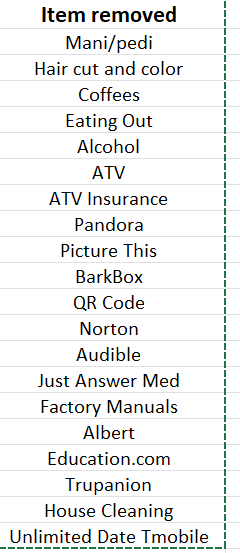
The REALLY good news is that I have trimmed what seems like a ridiculous amount: $19,000 annually. I checked and checked and rechecked this math. What adds up in my life are services, mainly. Manis/Pedis, hair cut and color, BarkBox (sorry, pups), streaming services, and convenience items like house cleaning. Those are things I’m willing to give up. On the PETS side of the expenses, I am not willing to compromise on their food and medicine, but I know I can do better with toys and accessories. The entire list of items and services that I have trimmed or canceled:
That’s a pretty long list. Alcohol has never been a big bill for me; I’m topped out at one beer when I DO drink because of my Brain Injury. You may notice “ATV” and “ATV Insurance” on this list and find yourself wondering WHAT she was thinking. Well, we live in the woods, and our driveway gets iced and snowed over through the winter, so the ATV was fun but ALSO practical because it had a snow plow. I decided we could live without this additional cost and sold the ATV.
I don’t know if we can attach a snowplow to a Nissan Maxima, so this winter may get interesting. Either way, the monthly expense didn’t make sense for a tool that really only gets to shine 3 months out of the year.
I know that when starting this project, I was rather reckless with spending, but never in my life did I think forgoing some services would save me this much money. Naturally, having been wreckless, the money I save I don’t really see. It’s going straight into Debt Management (another big, long, WOMP WOMP.)
“You deserve it,” says my inner voice after convincing myself that a day of bingeing Stranger Things has somehow earned me a reward.
This is just one more small purchase that will show up in my delivery box with that very familiar Prime logo, something that we’ve all grown to recognize. Those Prime boxes have recently piled up in our garage for several reasons: I like to shop for our daily necessities with the ease of single-click buying, and we used Amazon for our wedding registry.
Honestly, though, it’s too easy. We sling our data everywhere carelessly while, at the same time, every type of digital fraud is creeping. You name it, and there’s a data thief capitalizing on these easy experiences. Smishing is up by 700% (and that was 2021—let’s see what 2022 brings!), according to Proof Point. So that’s just text—that’s just ONE little point of data where thieves are trying to steal your digital fingerprint.
Security aside, there are all of the other downsides of shop till ya (virtually) drop. Money. Waste. Carbon footprint. Clutter. Duplicate items. And again—-money. For someone who has bought duplicate items more times than I care to share, hitting that “buy now” button a little slower may have helped me collect fewer tubes of toothpaste that simply pile up. The truth of that “buy now” button is worse than a few spare Tom’s Toothpastes. It adds up to blackout purchases, over-consuming, compromised data, and the endless cycle of buy-get targeted ads-buy more.
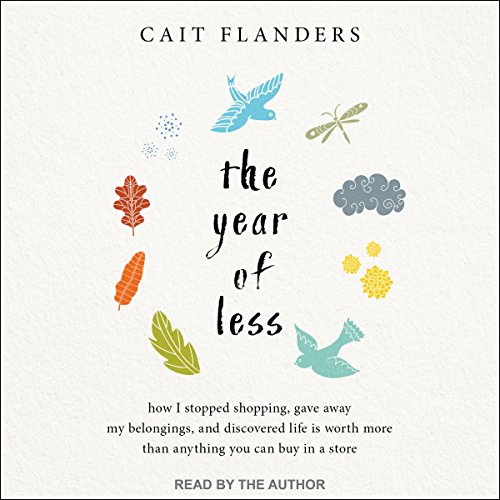
I recently listened to Cait Flanders’ book, “The Year of Less,” and realized that her 2-year experiment is exactly what I’d already started blueprinting in my head. Now it became clear I had to put this plan onto paper, in an Excel Spreadsheet, and then do the scariest part: declare it out loud, with purpose, and share it on Social Media so that I could be held accountable.
First, the why: bottom line, I spend too much and buy too much. I’ve been in the practice of wanting/needing something and simply buying. Being independent and, previously, before my husband showed me that men can indeed be capable providers, I was the breadwinner in almost all of my relationships. Responsible for myself and often my significant other, I blindly purchased the needs and wants of TWO people and carried more than my fair share.
Now, I have an incredible husband who is a minimalist and spends much less than me on consumables, clothes, toiletries, etc. Having spent a few months burning up the credit cards for services for our wedding, it became crystal clear that there are two truths to my shopping habits: I spend too much too often, and I buy things practically with my eyes closed, relying on the virtual wallet saved in these shopping carts and feeling numb to the reality of WHAT I’m buying and if I need it.
Honestly, the answer to: “do I need this?” is almost always a resounding “no.” I made exceptions and excuses during the months leading to our wedding because it felt like the right time to splurge, and it was. Our wedding was beautiful and warm and loving, and I laughed from morning until night. But usually, the type of excuses I made to purchase items for the wedding simply won’t fly in everyday life. And the damage from these habits has built a web of debt, complex and deep.
Spending less has to happen, no question, and I’m doing this. But then there’s a deeper scar than debt and spending, and that requires a little unpacking, too.
When a person grows up in a traumatic household, their relationship with money and material things are complicated. My mother, who I don’t write about often, vacillated wildly between blaming us for everything that went wrong in her life and telling us that she couldn’t wait to “disappear in the middle of the night, and maybe write you sometimes but never include a return address,” and the 180-degree apologies. The down cycles were accompanied by violence and hostility, and then on the flip side, when she regained composure, taking us on shopping trips to buy whatever our hearts desired to make up for her hysterics. We looked great, had the newest, most fashionable clothes and shoes, but wore them with great conflict.
No one knew what was going on behind the scenes, and we certainly didn’t tell. Our mother had told me once, when I was 11, “NEVER write about me, Amy.” Each time I try to tell the stories, especially in print, I break down and abandon the project. Those words struck a chord that played into a lifelong writer’s block about mothers, and those actions defined my relationship with shopping for the next decades of my life.
Putting an end to all of that means writing rules for myself. Ending excuses. Finding the real “why” to my shopping triggers—which are often the memories of our mother buying these things and being deep in debt but feeling like no one could see through the armor of a put-together outfit.
So here’s the process and rules:
Declutter for quality. Get rid of everything that I have bought in an attempt to be something other than authentic. That beautiful blue pin-striped Boss suit? I promised myself I would wear it to executive functions and look my absolute best, or that someday when that big job opportunity came knocking, I would wear it to my interview, and somehow it would hide my insecurities and imposter syndrome. However, in the year since I snatched it up on sale at Macy’s, I have worn it zero times. Those executive functions and high-level recruiting just never happened. I won’t list here how many items I own that are in this category, but I will say that I have bags of things to sell or donate.
Declutter for quantity. I own duplicate items, which I think we all do, but the point of decluttering all of those things is to inventory what I need/use/have and then put a stop to purchasing excess. In the decluttering phase, putting like item with like item and assigning a home to these things—I have noticed that if you don’t know where everything is, you often buy another to replace that “lost” item. Thus, I have hundreds of pens, over a dozen spatulas, eight (EIGHT!) whisks, and groceries stuffed into cabinets that have expired or that I purchased because I forgot or couldn’t find the original. Sauces and spices—I’m especially bad at.
Implement the ban: technically, I’m already doing these things, but it really starts rolling when steps 1 and 2 have been completed. The ban is on:
To-Go and Take-Out Coffee
Clothes
Shoes
Bags and accessories
Household decor like blankets, pillows, candles
Makeup and toiletries except on a direct replacement basis when I run out
Cleaning products except on a direct replacement basis when I run out, BUT I am attempting to make my own before I purchase
Alcohol
Look ahead and keep a list of things I’m allowed to purchase:
Groceries
Pet food and medical
Direct replacement for a device or appliance, but only if it breaks and only if it’s not fixable
Gas and vehicle maint including tires in the next 6 months
Medicine (prescription and OTC on a direct replacement basis only)
Spotify account
Travel
This list will undoubtedly evolve as I go through this year, but I want the basic blueprint to remain. The point is to be more mindful, even with the “approved list.” For instance, I plan only to travel with money squirred aside from what I save based on the shopping ban itself.
It is an experiment, but I think it’s one that is long overdue and something I owe myself and my new little family. I know what needs to be done, and so it’s time—to just get to the doing.






 Amy Liming